
Tea ceremony etiquette: what to do (and not do) your first time
Why etiquette matters here
A Japanese tea ceremony (chanoyu) is less a meal than a quiet, choreographed act of hospitality. The 'rules' aren't there to catch you out — they're how host and guest show care for each other. Learn a handful and you'll relax, enjoy it, and honour the room. None of this requires Japanese; English-guided sessions (see tea ceremony in Kyoto) walk you through every step.
Before you go in
- Arrive a few minutes early. Lateness disrupts a timed sequence.
- Dress modestly and wear clothes you can sit in. Avoid strong perfume — it competes with the incense and tea.
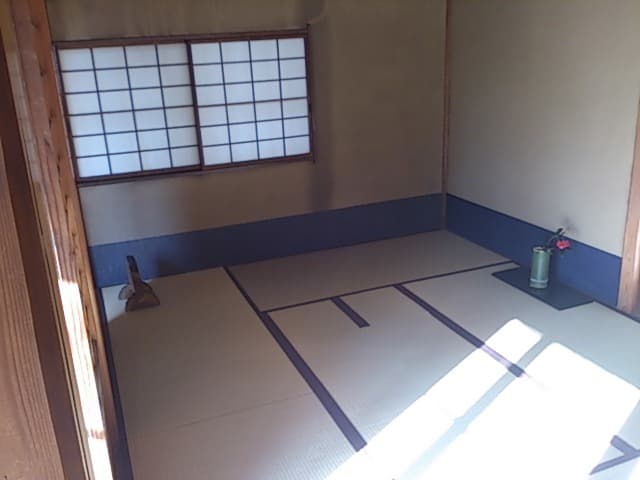
- Take off your shoes at the entrance and step onto the tatami; traditionally you avoid stepping on the cloth border of the mats.
Receiving and drinking the tea
- The sweet (wagashi) comes first — eat it before the tea; its sweetness balances the matcha's bitterness.
- When the bowl is placed in front of you, bow slightly and pick it up with your right hand, resting it on your left palm.
- Rotate the bowl clockwise about a quarter-turn so you don't drink from its 'front' (the most decorated face) — a gesture of respect to the host.
- Drink in two or three sips, then finish with a small, audible slurp to show you're done.
- Wipe the rim where you drank with your fingers, rotate the bowl back counter-clockwise, and set it down with the front facing the host.
A few don'ts
- Don't wear a watch or rings that could scratch the bowl (a host may ask you to remove them).
- Don't photograph people without asking; don't reach across the utensils.
- Don't worry about perfection — sincerity matters more than precision.
Go deeper
The ceremony grew from the aesthetic of wabi-sabi — beauty in imperfection and restraint — which is why the room is bare and the gestures slow. Ready to try it? Start with the best cultural experiences in Kyoto.