
Tea ceremony in Kyoto — the best English-friendly experiences (and how to book)
The short answer
Kyoto is the best place in Japan to try a tea ceremony (chanoyu / sadō), and you do not need to speak Japanese. A handful of English-guided teahouses in Higashiyama — the historic slope between Gion and Kiyomizu-dera — run short, welcoming sessions where you watch a host prepare matcha, learn the few manners that matter, then whisk and drink a bowl yourself. Expect 45–60 minutes and from ¥3,000 per person.
This page is the honest go-info: who runs sessions in English, what they cost, and how to reserve — because the good slots fill up.
Where to book (English-friendly)
- Authentic Kyoto Tea Ceremony (Camellia) — a long-running teahouse in a machiya off Ninenzaka, in the heart of Higashiyama. Sessions are explained in fluent English; a shared 45-minute ceremony starts from ¥3,000, with private options higher. Reserve on the official site.
- MAIKOYA Kyoto — pairs the ceremony with a rented kimono, from around ¥7,000, at townhouses near Nishiki and Gion. Book on the official site.
Prices move with season and demand, so treat the figures as a starting point and confirm on the operator's page before you pay.
What actually happens
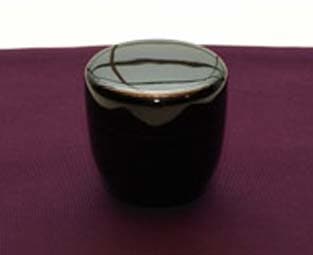
You'll be welcomed into a tatami room, shown the utensils — the chawan (bowl), chasen (bamboo whisk) and chashaku (scoop) — and served a small seasonal wagashi sweet that balances the tea's bitterness. The host demonstrates, then guides you to whisk your own bowl of bright-green matcha. It's calm, quiet and surprisingly hands-on.
The manners that matter
You don't need to memorise anything, but three things make a good impression: accept the bowl with both hands, rotate it clockwise a little so you don't drink from the "front," and finish with a small slurp. Our full tea ceremony etiquette guide walks through entering, bowing and what to do with the sweet.
Make a day of it
Most teahouses sit minutes from Kiyomizu-dera and the Ninenzaka–Sannenzaka lanes — easy to combine with the rest of Kyoto's cultural experiences. If the philosophy behind the ritual draws you in, read what wabi-sabi means. Planning around the seasons or a festival? See the calendar over at japan-event.info, and for Kyoto's sake and kaiseki, our sister site umami-hunt.info.