
Is a Kimono Rental Worth It? An Honest Guide for First-Timers
The honest verdict
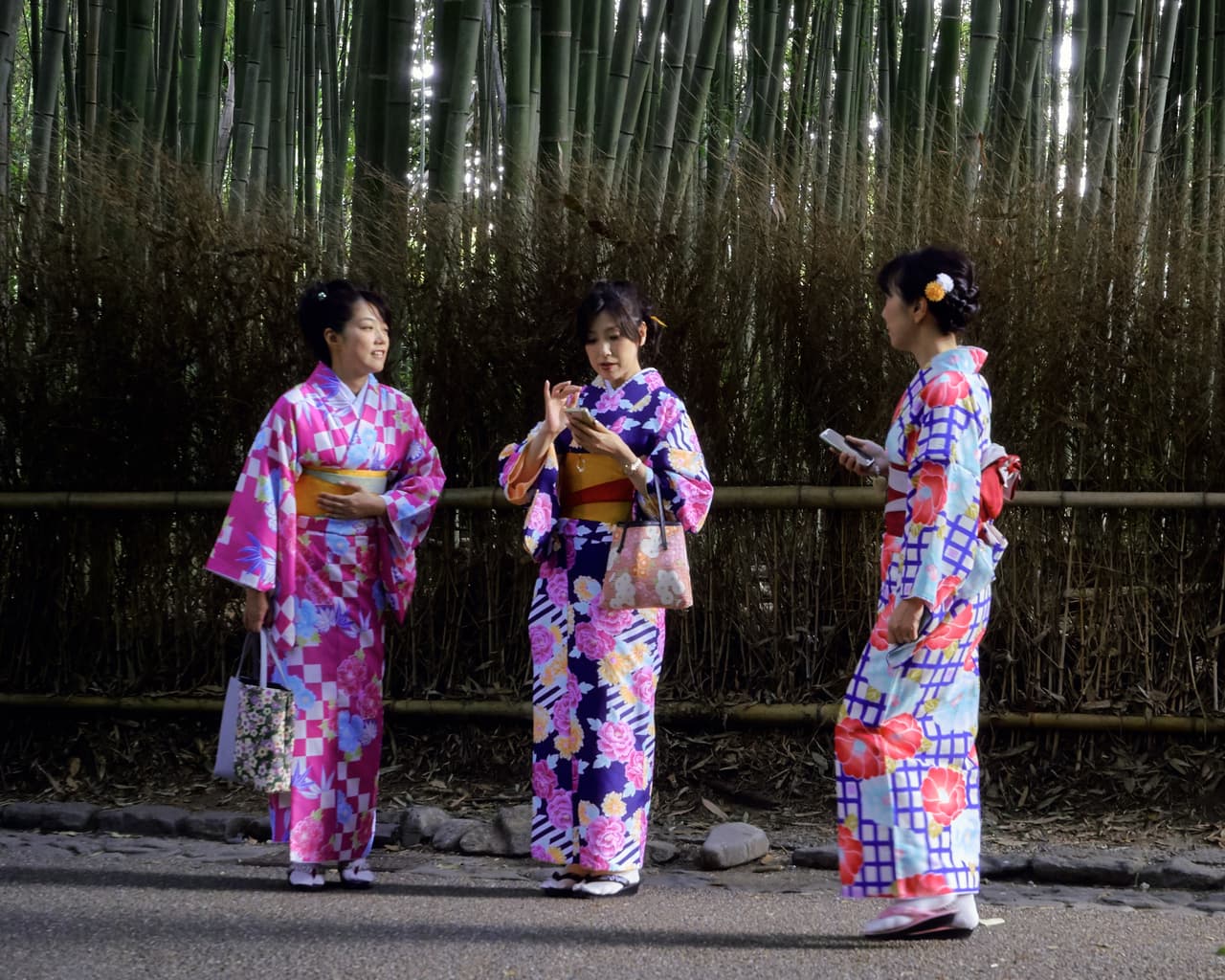
Yes — for most first-timers, a kimono rental is worth it, as long as you value the photos and the experience of walking a historic district in full traditional dress. For roughly the price of two museum tickets you get a complete outfit, a professional to dress you, and a few genuinely memorable hours. The streets of Kyoto's Higashiyama (Sannenzaka, Ninenzaka, Gion) and Tokyo's Asakusa (around Senso-ji) were practically made for it.
It may not be worth it if you mainly want to relax, you are travelling on a tight schedule, you overheat or chill easily, or you dislike posing for photos. A kimono is a half-day commitment, not a quick costume swap — so be honest with yourself about how you like to travel.
What you actually get for the money
A basic same-day rental usually runs about ¥2,900 to ¥6,000 depending on the shop, season and fabric. For that you typically get:
- The kimono itself, plus the obi (sash), undergarments, and a matching bag.
- Geta or zori sandals and tabi socks.
- Professional dressing — staff put it on you properly, which is the part you cannot do yourself.
- A few hours to walk, shop, eat and photograph before returning the set by closing time.
Common add-ons: hair styling (around ¥1,000–¥2,500) and a next-day return option (around ¥1,100) so you do not have to rush back. Prices change with season and shop, so always confirm the current figure on the shop's own page before you book.
The pros
- The photos are the payoff. Kimono against the wooden machiya and stone lanes of Higashiyama or Asakusa is the single most "you were really in Japan" shot most travellers bring home.
- It is affordable. Few cultural experiences give this much memory per yen.
- Everything is included and done for you. You do not need to know how to tie an obi — the staff handle the hard part. (If you want to understand what they are doing, see how to wear a yukata.)
- It is genuinely fun, especially with friends or a partner, and it slows you down to actually look at the neighbourhood.
- It pairs well with other experiences — many people add a tea ceremony in costume.
The cons (be honest with yourself)
- Weather is the real enemy. A winter kimono can be cold around the ankles and neck; a summer one (or a yukata) can be sweaty. Spring and autumn are the sweet spot.
- Geta can cause blisters. The wooden sandals are unfamiliar; bring a plaster (band-aid) and expect to walk more slowly.
- It eats time. Budget 30–45 minutes to get dressed, plus the trip back to return by evening (unless you pay for next-day return).
- It can feel touristy. In peak season the popular streets are full of other rental kimono. That is fine for most people, but worth knowing.
- Quality varies. Cheaper plans may mean older fabric or limited choice; nicer fabric and hair styling cost more. Read recent reviews.
Who it's worth it for — and who should skip
Worth it for: first-time visitors who want strong photos, couples and friend groups, anyone spending a half-day in Higashiyama or Asakusa, and people who enjoy dressing up.
Consider skipping if: you are very short on time, you strongly dislike heat or cold, you would rather move fast and light, or you have already done it on a previous trip and are not chasing new photos.
If you are weighing kimono against other options, our Kyoto cultural experiences comparison ranks it honestly against tea ceremony, zazen and calligraphy.
Tips to make it worth every yen
- Book online in advance, especially in cherry blossom and autumn-leaf season and on weekends — walk-ins can sell out of sizes.
- Go early. Morning means cooler temperatures, quieter streets and softer light for photos.
- Add hair styling. It is a small fee that makes the photos look far more complete.
- Choose your location deliberately. Higashiyama in Kyoto for old-Japan lanes; Asakusa in Tokyo for the temple-and-pagoda backdrop — see the Asakusa kimono guide.
- Dress for the weather underneath — thin layers in winter, breathable ones in summer.
- Consider the next-day return so your evening is not ruled by the shop's closing time.
- Time it to a festival. Wearing kimono to a matsuri is special; check what's on at our sister site japan-event.info.
A kimono rental is rarely a regret for first-timers who like photos and a slower, more deliberate day. Pick the right season, the right neighbourhood and an early start, and it is one of the best-value cultural experiences in Japan.